
Seminar/Training on Sustainable Sanitation for German NGOs

An increasing number of German NGOs are showing interest in implementing sustainable sanitation within their projects. In order to support these efforts the German Toilet Organization (GTO) in cooperation with gtz-ecosan will be offering a two day seminar on the 23rd and 24th of October 2010 at the GTZ headquarters in Eschborn, Germany. A further seminar – supported by LEZ Berlin – will be offered in Berlin on 27th and 28th of November 2010.
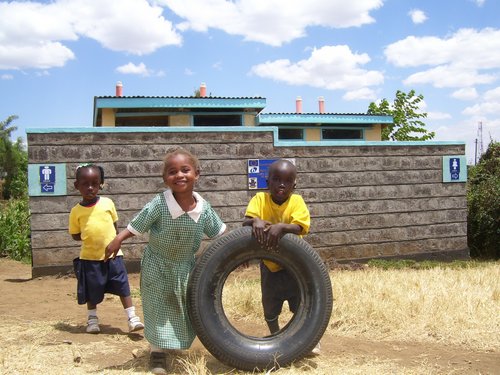
(c) Sustainable Sanitation Alliance

The aim of the training sessions is to discuss how specific technological solutions and sociological approaches can be applied, as well as giving an insight into the particular problems that may serve to hinder successful project implementation. Focus will be on sanitation systems and hygiene awareness raising for schools and public facilities in developing countries.

For more information (in German) or to register, please visit the GTO homepage: www.germantoilet.org and see the following PDF (in German, 0.1 MB).

Updates concerning the seminar will be posted here (in German):
http://www.germantoilet.org/en/projects/ngo-training.html

toilet signs & gender segmentation

wo-menSpeaking about sanitation, most people probably just think of toilets and how to improve on that. And while we rather think about the involved process engineering (aka the technical side) associated with this daily business, the toilet, it’s availability and cleanliness is what is seen by the majority.
It is against this background that I would like to forward you to this interesting post on gender and toilets (also here because of the additional comments) as there’s still a complete world full of such unsolved gender issues.

Fortunately, or at least that’s what I think, any debate on toilets (~sanitation, ~hygiene, ~privacy, ~comfort, etc.) is good & a way forward into the right direction. So if it takes a gender issue like the rather unfortunate (or not?) seperation into women’s and men’s washrooms for people to return talking about toilets, then we’re one step closer to an improved sanitation. Do you agree?

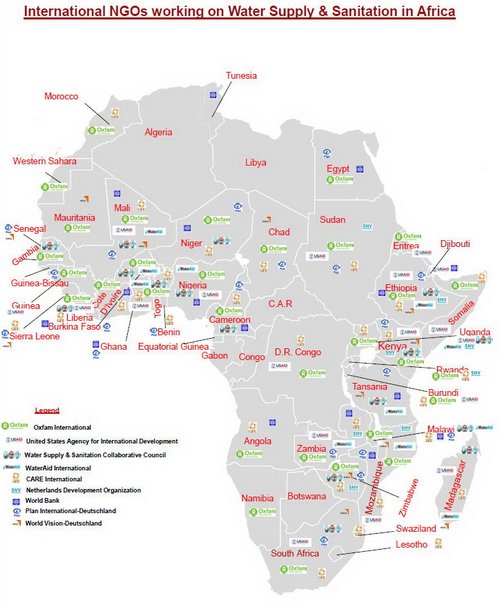
water supply & sanitation map in Africa

During a recent trip to the GTZ office of the “sustainable sanitation – ecosan” program in Eschborn, Germany, I stumbled upon the following interesting map that display various international NGOs working on water supply & sanitation issues in Africa.

gtz-ecosan-01092010-int-ngo-watsan-africa-map.pdf


download this map as a PDF (0.1 MB)

Steffen Blume of GTZ-ecosan, who created this map for his colleagues at work & agreed to share this with us, kindly asks for some feedback in return. So if you’re active or know of an active NGO within the water / sanitation sector that isn’t listed here, please directly send your feedback to Steffen Blume or kindly use the comment form below. Thank you!

The Peepoo bag system – top or flop?

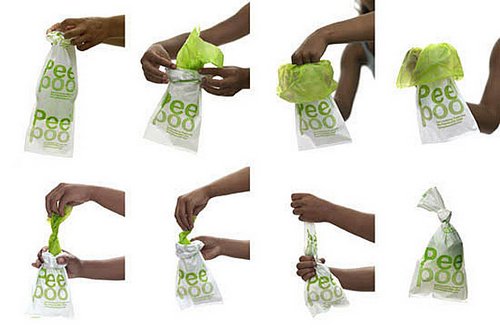
Another blog post on the Peepoo bag system – the biodegradable toilet bag system for use in places where there are no toilets available. A single-use, self-sanitizing, biodegradble system that turns into fertilizer after use.

peepoo-howto

A follow-up to another blog post from December 2008 from my private blog on the same subject (“Flying Toilets 2.0”), if you will, because a lot has happened since then and I wanted to find an open space to note down all the pros & cons, the advantages and disadvantages of such a bag system. You are of course invited to share your opinion on these bags and leave a comment! Continue reading “The Peepoo bag system – top or flop?”

new publication: guidance manual for Water, Sanitation & Hygiene in Schools

WASHguidance publication

Water, sanitation and hygiene (WASH) in schools programmes are globally recognised as essential to promoting children’s right to health. WASH in schools influences a generational change in health promotion behaviour and attitudes. If schoolchildren have access to clean and appropriate toilets, functioning handwashing facilities with soap, sufficient and safe drinking water and have developed adequate hygiene skills, they are more likely to be healthier and to positively influence hygiene practices among family members and the wider community.

This book is meant for managers and trainers involved in water, sanitation and hygiene programmes in schools, whether operating at state, district or block level. It provides information on a number of essential topics related to WASH in schools and contains relevant activity sheets.

Download (PDF; 5.6 MB)

[via IRC website]